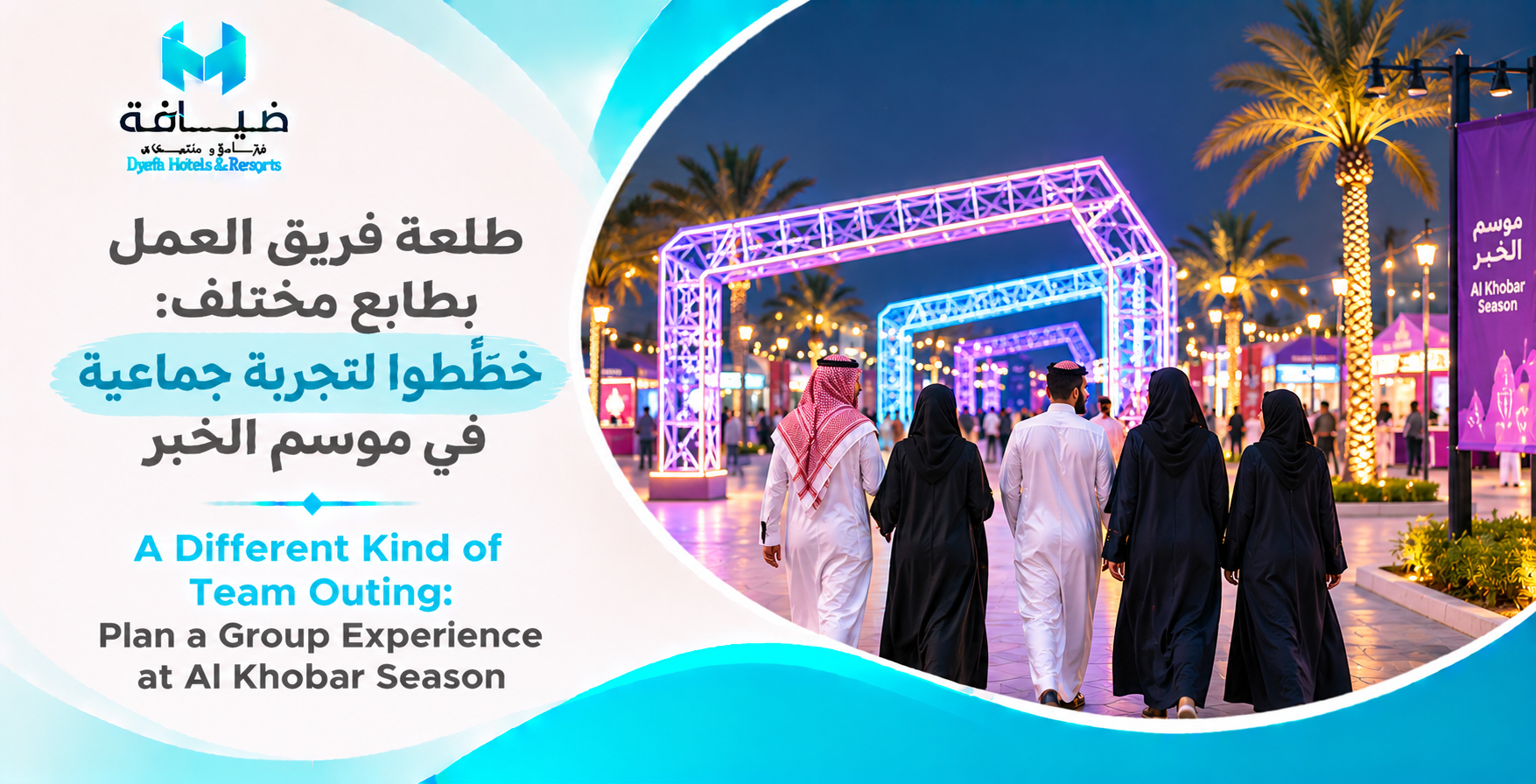

Discover how to plan a memorable corporate outing around Al Khobar Season, from cultural experiences and coastal activities to transport and choosing the right hotel near me.
Corporate retreats can offer much more than another meeting in a conference room. Shared experiences outside the workplace give colleagues an opportunity to connect, explore new perspectives, and take a break from demanding routines.
Al Khobar’s coastal setting, cultural attractions, and dining scene provide a varied backdrop for a team outing. When your visit coincides with seasonal events, you can build a programme that combines collaboration with entertainment.
A successful trip starts with clear priorities. Rather than filling every hour with activities, choose experiences that suit your team, allow time to rest, and arrange accommodation and transport before finalising the itinerary.
Why Choose Al Khobar for a Corporate Outing?
Al Khobar brings together waterfront spaces, contemporary hospitality, and access to the Eastern Province’s cultural heritage. This variety allows organisers to create a programme that appeals to different interests without relying entirely on formal team exercises.
Interactive exhibitions, shared meals, and waterfront walks can provide natural opportunities for conversation. Colleagues who rarely work together may find it easier to connect while exploring a new setting.
During cooler weather, outdoor activities can complement indoor workshops and meetings. Check the forecast and the published event schedule before deciding which experiences to include.
A varied programme also makes participation more comfortable for a team with different ages, fitness levels, and preferences. Offer alternatives where possible so everyone can take part meaningfully.
Creating a Balanced Group Itinerary
An effective itinerary combines a few shared activities with room for independent exploration. Too many scheduled stops can leave participants tired, while too little structure can make coordination difficult.
Choose a main experience for each part of the day and group nearby destinations together. Allow enough time for meals, transfers, and delays, particularly when travelling with a larger team.
Interactive Exploration Along Al Khobar Corniche
The Corniche offers a coastal setting for a relaxed group walk. Where seasonal installations or public activities are available, they can become useful starting points for discussion and exploration.
A photography challenge can encourage colleagues from different departments to work together. Invite small groups to document interesting architecture, public spaces, or examples of visitor experience design, then share their observations over a meal.
Keep the challenge light and optional. The purpose is to encourage curiosity and conversation rather than turn the outing into another performance assessment.
Cultural Exploration at Ithra
The King Abdulaziz Center for World Culture, known as Ithra, in nearby Dhahran can add a cultural dimension to your trip. Review its programme separately from the season’s listings and choose exhibitions, performances, or workshops that suit your group.
Ask about group visits and available booking arrangements before including a guided tour or workshop in the schedule. Confirm capacity, language options, duration, and any accessibility requirements.
A cultural visit can also inspire a short discussion about creativity, communication, or design, giving the team a shared reference point for later conversations.
Coastal Activities at Half Moon Bay
Half Moon Bay can provide a change of pace for groups interested in spending time outdoors. Depending on operator availability and weather conditions, you may be able to arrange a boat excursion, kayaking session, or a relaxed beach gathering.
Choose activities according to participants’ confidence and abilities. Confirm safety arrangements, equipment, supervision, and cancellation terms with the operator.
Provide a comfortable alternative for colleagues who prefer to stay onshore. A team outing works best when participation feels welcoming and flexible.
Shared Dining in Al Khobar
A shared meal gives colleagues time to reconnect after a busy day. Choose a restaurant with enough space for the group, a suitable noise level, and a menu that accommodates dietary requirements.
For larger teams, agreeing on a set menu in advance can simplify service and help control costs. Confirm seating arrangements, payment terms, and the expected length of the meal.
A dining route across several venues can be enjoyable for a small group, but larger teams may benefit from staying in one location and avoiding additional transfers.
Choosing Accommodation That Supports the Programme
Your hotel should make the itinerary easier to manage. Consider the actual journey to planned activities, the availability of rooms for the whole group, and the spaces needed for briefings or informal meetings.
A search for hotel near me can help identify nearby properties, but group bookings need more preparation than an individual overnight stay. Use the map to compare hotels around your planned destinations, then contact shortlisted properties directly.
Waterfront Hotels
Waterfront accommodation may suit groups spending much of their time near the Corniche. Check the walking route to each destination rather than assuming that a nearby map location means convenient pedestrian access.
If you need private meeting rooms, executive lounges, or group dining areas, confirm their availability and any additional charges.
City Hotels
A city hotel can provide a practical base for a programme covering Al Khobar, Dhahran, and surrounding areas. Larger properties may offer room blocks, meeting facilities, and spaces for group meals.
Compare travel times at the hours you expect to leave and return. A central address alone does not guarantee an easy journey to every venue.
Coastal Resorts and Suites
A resort may suit a retreat focused on workshops, relaxation, and time together in one location. Check room layouts, meeting spaces, dining capacity, and transport arrangements before booking.
A quieter setting can support longer discussions, although additional travel may be needed for city events.
Agreeing on Group Booking Terms
Request a written proposal covering room types, meals, meeting facilities, payment deadlines, and cancellation conditions. Confirm whether early check-in, late checkout, and luggage storage are available.
Ask about breakfast times and whether the hotel can accommodate the group together. Nominate one organiser to manage the rooming list and communicate changes with the property.
Coordinating Transport and Access
Group transport needs to account for boarding time, venue access, and the different pace at which participants move. A realistic schedule reduces pressure on both organisers and attendees.
Keeping Group Transfers Organised
Private vans or coaches can simplify transfers when everyone is following the same programme. Confirm vehicle capacity, luggage space, driver availability, and permitted pickup locations.
Share clear departure times and meeting points. Allow a reasonable buffer around ticketed activities and keep the transport provider informed of any changes.
Ride-hailing services may suit smaller groups or independent outings, but avoid relying on several cars arriving simultaneously for a time-sensitive booking.
Booking Tickets and Confirming Entry
Check official event listings before adding an activity to the itinerary. Confirm ticket availability, admission conditions, age restrictions, and whether group bookings are supported.
Priority entry, reserved seating, and hospitality packages vary by event. Read the published inclusions rather than assuming that a VIP ticket provides faster access or additional services.
Make sure participants know how to access their tickets and which identification, if any, they need to bring.
Keeping Communication Clear
Use one main communication channel for the schedule, venue locations, transport updates, and organiser contact details. Keep essential information easy to find and avoid unnecessary messages.
Include free time in the programme so colleagues can explore independently or rest at the hotel. Explain when and where the group will meet again, while keeping someone available for urgent questions.
Turning Shared Experiences into Lasting Value
A team outing can support stronger working relationships, but those benefits need thoughtful follow-up. Set a small number of goals before the trip, such as improving collaboration between departments or creating space for new ideas.
Making Time for Reflection
A brief discussion after a shared activity can help colleagues exchange observations. Ask what surprised them, what they enjoyed, and whether anything connects to their work.
Keep these conversations focused and relaxed. Participants should have room to enjoy the trip without being expected to turn every experience into a business lesson.
Encouraging Inclusive Participation
Notice whether everyone has opportunities to contribute and whether quieter colleagues feel comfortable joining in. Adjust the programme when necessary rather than expecting everyone to engage in the same way.
An informal outing should help people connect without making them feel continually evaluated.
Following Up After the Trip
Share a short recap with agreed ideas, useful feedback, and photographs that participants are comfortable sharing. If the team identified practical improvements, assign clear next steps.
Ask which activities worked well and what could be improved. This feedback provides a better basis for planning future outings than attendance figures alone.
Plan Your Team’s Next Al Khobar Experience
A group outing in Al Khobar can combine cultural discovery, coastal activities, and shared dining in a varied programme. The strongest plans reflect the people attending and leave enough space for conversation and rest.
Start by confirming your dates, checking official event schedules, and identifying suitable accommodation. With thoughtful planning and clear arrangements, your team can enjoy time together and return with shared memories and fresh perspectives.



© Copyright 2024 Dyafa - All Rights Reserved | Created By Fandaqah Information Technology